
Key Takeaways
- Buyers prioritize energy efficiency, smart home technology, and sustainable living.
- Remote work has made home offices and flexible spaces essential features.
- Outdoor living and proximity to green areas shape location choices.
- Affordability challenges are impacting buyer behaviors and strategies.
- Multi-generational living and suburban growth are on the rise.
- Technology continues to reshape how homes are marketed and purchased.
Today’s real estate market is shaped by a blend of changing buyer preferences, advancing technology, and evolving lifestyle needs. Homeowners and prospective buyers alike must navigate an environment characterized by innovation and shifting priorities. To succeed, sellers and agents need a solid understanding of what modern buyers desire most in a property. Those looking for guidance in the St. Louis region can turn to Sunset Hills real estate experts Patton Properties. Patton Properties, recognized for its hands-on client approach, local expertise, and deep roots in the Sunset Hills and wider St. Louis real estate market, has established themselves as the go-to authority for navigating the complexities of today’s evolving housing landscape. Their expertise covers everything from market analysis to helping buyers and sellers make informed, confident decisions.
More buyers are researching features and making decisions guided by a mix of lifestyle, sustainability, and cost-efficiency. Sellers who focus on these new trends can stand out in a highly competitive market and attract more interested buyers. Understanding the main factors influencing these trends is crucial, whether you’re putting your home on the market or tracking the best neighborhood for a new investment.
Modern homebuyers now demand more than just basic amenities. They prioritize efficiency, flexibility, and convenience, which are now key aspects of valued property features. As concerns about affordability grow and remote work continues, buyers are redefining their priorities both within and outside their homes. Keeping up with these changing preferences gives both buyers and sellers a competitive advantage in this fast-changing market.
Emphasis on Energy Efficiency and Smart Technology
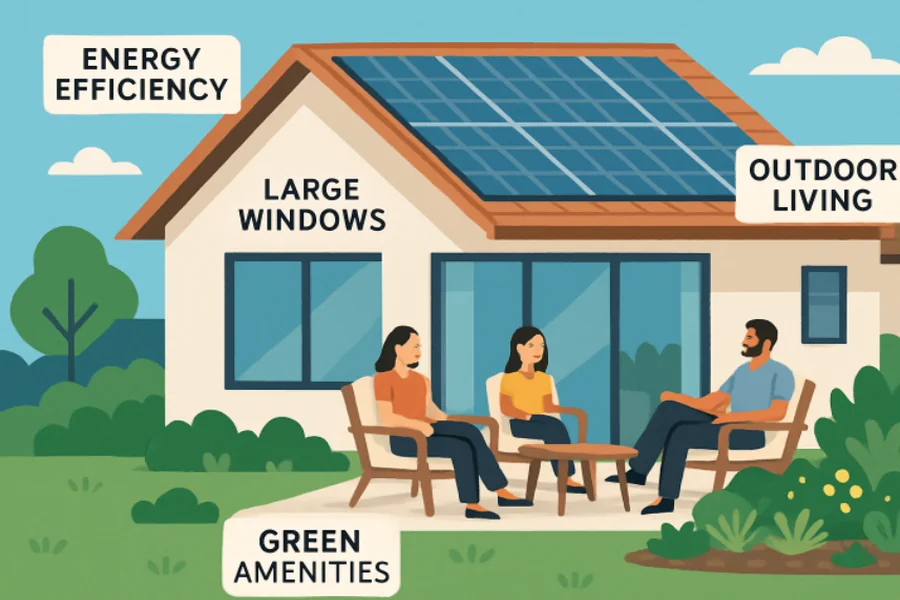
As sustainability becomes a priority for individuals and families, homes built or retrofitted for energy efficiency consistently top buyer wish lists. Energy-efficient appliances, high-performance windows, solar panels, and smart thermostats are not only environmentally friendly but also significantly reduce ongoing household costs. Properties equipped with smart technology (such as remotely monitored security systems or integrated voice assistants) are seen as modern, forward-thinking investments. The importance of sustainability and cost-saving technology is supported by nationwide market data, showing that young buyers, in particular, are eager to invest in homes that help them save money in the long run.
Dedicated Home Offices and Flexible Spaces
With hybrid and fully remote work models here to stay, a dedicated home office or an adaptable flex room is often a non-negotiable feature for buyers. Recent surveys reveal that nearly one-third of all home buyers now put a home office at the top of their priority list. Even properties without a dedicated workroom can appeal by offering flexible spaces that can be converted for remote work, study, or creative pursuits. This trend reflects the broader societal shift toward a better work-life balance and the growing value of multi-functional living areas.
Outdoor Living Spaces and Green Amenities
Buyers now expect more than just comfortable interiors; they seek connection with the outdoors and access to nature. Homes featuring patios, decks, balconies, or private gardens are in high demand. Additionally, many are prioritizing neighborhoods that offer easy access to parks, trails, and recreational areas. The desire for fresh air and outdoor recreation, once considered a luxury, has become a necessity for many, particularly as families look for ways to unwind and entertain at home. This preference is shaping which communities thrive and which amenities sellers should highlight.
Affordability in a Challenging Market
Persistent affordability issues, driven by rising interest rates and limited housing inventory, keep buying a home out of reach for many. Prospective buyers are exploring creative strategies to enter the market, such as co-buying with family or friends, or searching for homes in developing areas known for lower prices and value appreciation. Others consider short-term investment opportunities such as renting, purchasing fixer-uppers, or leveraging down payment assistance programs. Sellers should be aware of these strategies and consider how pricing, incentives, and flexible financing options can improve appeal in a tight market.
Multi-Generational Living as a Practical Solution
A notable trend is the rise of multi-generational homes, in which multiple family members share space to manage costs and gain mutual support. Listings that advertise in-law suites, separate entrances, or flexible floor plans attract a wider pool of buyers, especially those with aging relatives or adult children at home. This arrangement benefits families looking for stronger connections, shared financial responsibilities, and long-term stability. Homes designed for extended families are no longer a niche market but a central consideration in many buyer searches.
Urban Revitalization and Suburban Appeal
The revitalization of urban neighborhoods has coincided with renewed interest in suburban and exurban developments. Improvements in remote work options make it easier for buyers to consider locations that offer a blend of tranquility, community amenities, and proximity to cities when desired. Communities that strike a balance between access to restaurants, shops, and services and quieter, more spacious environs are particularly popular. Buyers are increasingly choosing locations based on lifestyle compatibility, access to green areas, and future growth potential rather than simple proximity to workplaces.
Advances in Home Buying Technology
Technology continues to reshape the real estate journey, with prospective buyers relying on virtual tours, high-resolution floor plans, and AI-driven property recommendations to streamline decisions. These tools reduce time spent visiting unsuitable properties and make it easier for buyers relocating from other regions to make choices confidently. For sellers and agents, these advances mean investing in better digital marketing, immersive online listings, and enhanced customer communication. As technology evolves, expect these innovations to further personalize and expedite the home-buying process.
Conclusion
The real estate market benefits those who pay attention to changing buyer preferences and invest in features that boost comfort, convenience, and value. Sellers should focus on energy-efficient upgrades, flexible workspaces, and outdoor amenities to meet the new normal. Buyers, meanwhile, can achieve better results by clarifying their priorities and using modern tools in a competitive market. Turning to local experts is crucial for both parties, as they provide the latest guidance on trends and opportunities across St. Louis and beyond. The ever-changing market highlights the importance of adaptability and expert support in reaching real estate goals this year.
