


Losing a loved one often involves many important decisions, and understanding the cremation process can help make the experience feel more manageable. While cremation is a common choice for many families, some may be unfamiliar with the steps involved from initial arrangements to receiving the cremated remains. Learning how the process works provides clarity and reassurance that each stage is handled with care and respect. Although procedures may vary based on local requirements, the overall process follows established guidelines to ensure dignity and accuracy. The following guide explains each stage of cremation in a simple and clear way.
Making Initial Arrangements
The cremation process begins with making arrangements after a loved one has passed away. During this initial stage, families work with a funeral or cremation provider to discuss their wishes, review available options, complete the required documentation, and understand the next steps in the process.
Necessary authorizations and permits are secured before the next steps can move forward, helping ensure the process follows proper guidelines. Personal details are carefully reviewed to maintain accuracy and provide clear records throughout each stage. Families may also choose to hold a memorial service before or after cremation, depending on their preferences and traditions. They can also discuss options for the final placement of the cremated remains, including choices that hold personal meaning.
Many providers such as Silver Lining Cremations & Burial follow established procedures to help families navigate these decisions with care while ensuring each arrangement is handled respectfully and with attention to detail during a difficult time. This planning stage gives families the opportunity to ask questions and feel more prepared for the steps ahead.
Preparing for Cremation
Once the required documentation is completed, the individual is prepared for cremation following established professional standards. Careful identification procedures are maintained throughout the process to help ensure accuracy and proper handling. Any medical devices that may create safety concerns during cremation are removed when necessary, while personal belongings are documented and returned to the family based on their wishes.
After these preparations are completed, the individual is then placed in an appropriate cremation container that meets required guidelines. This preparation allows the cremation to proceed in a respectful and organized manner. Each step is carried out with careful attention to detail, helping families feel confident that their loved one is being treated with dignity and care.
Processing the Procedures and Cremated Remains
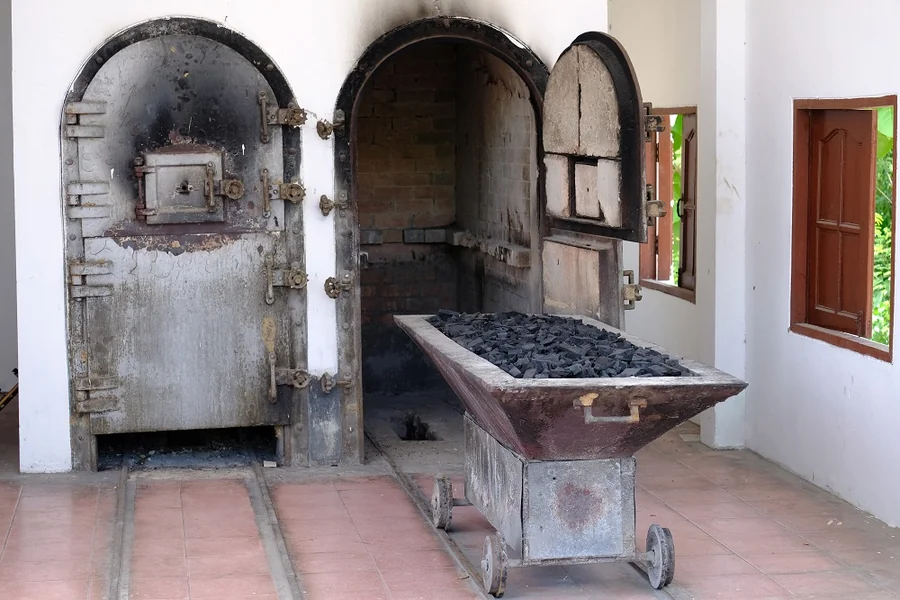
The cremation process takes place inside a specially designed chamber built to withstand high temperatures while following established safety standards. Over several hours, heat reduces the body to bone fragments, with the duration depending on factors such as the individual’s size and the type of container used. Careful identification procedures remain in place throughout the process to help ensure accuracy and proper handling.
After the chamber cools, the remaining bone fragments are carefully collected and prepared for processing. Any materials that do not belong with the cremated remains are separated, and the fragments are refined into a consistent texture commonly recognized as ashes. This step ensures the remains are properly prepared before being returned to the family.
The processed cremated remains are placed into a temporary container or a permanent urn selected by the family. Identification continues to be verified during this stage to maintain accurate records. Trained professionals follow established procedures to ensure the remains are handled with care and dignity throughout the process.
Returning the Cremated Remains to the Family
The final stage of the cremation process involves returning the cremated remains to the authorized family member or designated representative. Families are notified once the remains are ready for pickup or delivery based on the arrangements made with the provider. They may also receive the necessary documentation related to the cremation at this time.
After receiving the remains, families can choose an option that best reflects their wishes and personal traditions. Some may keep the urn in a meaningful place, while others may choose a different final arrangement where permitted. Funeral professionals can provide guidance on available choices and help answer questions about local requirements. Taking time to understand this final step allows families to make decisions that honor their loved one’s memory in a thoughtful and meaningful way.
Final Thoughts
Understanding the cremation process can provide families with greater clarity and reassurance during a difficult time. Each stage is completed with care and attention to detail, helping ensure the wishes of the family and the dignity of their loved one are respected. While every situation is unique, knowing what to expect can make important decisions feel more manageable. With a better understanding of the process, families can focus on honoring memories and choosing arrangements that feel meaningful.
