
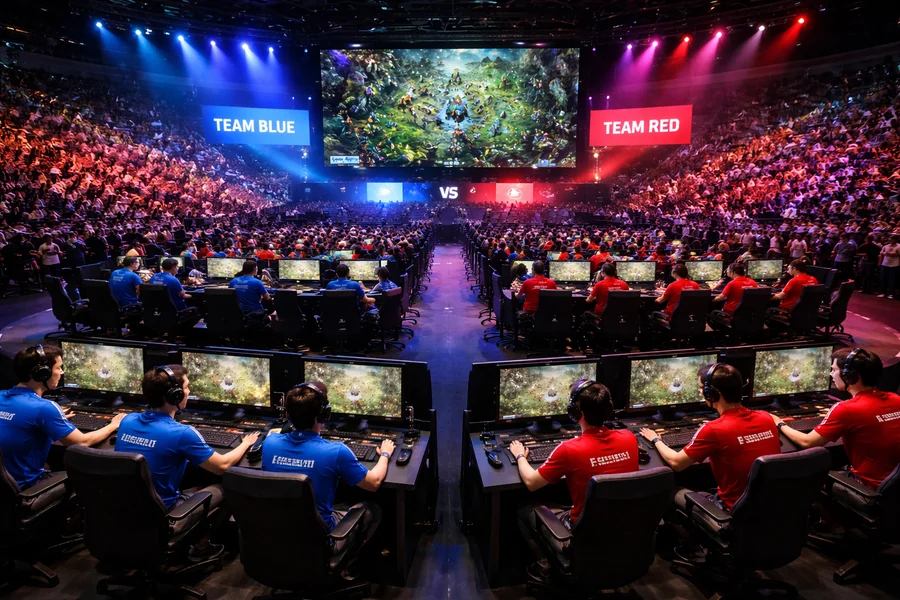
When we think about online games, it’s easy to picture a solo player grinding levels, chasing high scores, or perfecting a strategy in isolation. But the real essence of modern online gaming goes far beyond individual achievements. It’s about connection, collaboration, and the lessons in teamwork that emerge naturally from hours spent in virtual worlds. Multiplayer games aren’t just entertainment they are dynamic spaces where players learn, experiment, and grow as a team, in ways that resonate far beyond the screen.
From a player’s perspective, the thrill of gaming together lies in the shared experience. Coordinating a raid in a role-playing game, executing a synchronized attack in a shooter, or navigating a team-based puzzle requires clear communication, trust, and adaptability. Success isn’t just a product of personal skill it comes from the ability to function as part of a cohesive unit. Each action you take, every decision you make, ripples through the team, teaching players slot gacor hari ini the importance of accountability and collaboration in real time.
Communication is often the first skill refined in multiplayer gaming. Unlike casual social interactions, in fast-paced matches, clarity and timing are critical. You learn to give concise instructions, convey strategy under pressure, and interpret teammates’ moves almost instinctively. Listening becomes just as important as speaking, and players quickly develop a rhythm that mirrors real-world teamwork. These interactions foster empathy, patience, and a nuanced understanding of different working styles skills that are invaluable in professional and personal environments alike.
The emotional dimension of teamwork in online games cannot be underestimated. Shared triumphs, collective setbacks, and the adrenaline of last-minute victories create bonds that go deeper than simple camaraderie. Players celebrate successes together, console each other after failures, and experience the highs and lows of competition as a unit. These moments cultivate trust and mutual respect, demonstrating that effective teamwork involves both performance and emotional intelligence.
Strategy and foresight are equally honed in collaborative gaming. You must anticipate your teammates’ decisions, adjust plans dynamically, and balance personal initiative with group objectives. Solo play rewards quick reflexes, but multiplayer games reward strategic thinking and situational awareness. Players discover that the whole is greater than the sum of its parts, and that coordinated effort often surpasses raw individual talent. These lessons echo in real life, where collaborative problem-solving and shared responsibility are key to achieving meaningful results.
The global nature of online multiplayer games adds another layer of learning. Teams often comprise players from different countries, languages, and cultural backgrounds. Learning to navigate these differences builds adaptability, cross-cultural communication, and openness to diverse perspectives. Understanding how others think, negotiate, and respond under pressure isn’t just useful in a game it’s a skill that transfers seamlessly to workplaces, educational settings, and social networks in an increasingly interconnected world.
Leadership also emerges naturally in multiplayer environments. Some players naturally guide strategy, coordinate team movements, and motivate others, while others excel in supportive roles, maintaining morale and managing resources. Leadership is fluid; one day you’re directing the team, the next day you’re executing orders. This flexibility allows players to experiment with guiding, supporting, and mentoring their peers, fostering a sense of responsibility, accountability, and resilience that mirrors professional team dynamics.
Collaboration often sparks creativity, too. Many games involve designing strategies, building structures, or solving complex problems as a team. Brainstorming solutions, testing ideas, and adjusting tactics collectively strengthens bonds and encourages innovative thinking. Players slot server thailand super gacor are not merely competing they are co-creating, experimenting, and learning together. This collaborative creativity is a subtle but powerful lesson in how teamwork can amplify both performance and imagination.
Even casual multiplayer experiences contribute to skill-building. You don’t have to be in a high-stakes tournament to learn about teamwork. Cooperative missions, casual challenges, and in-game social activities require coordination, negotiation, and adaptability. These experiences teach the fundamental habits of collaboration while keeping the atmosphere light and enjoyable. Players internalize the value of shared effort and mutual support without feeling pressured to perform at professional levels.
Professional implications are clear. Modern employers prioritize collaboration, adaptability, and problem-solving. Multiplayer gaming provides a unique, immersive environment to practice these skills under pressure, often in unpredictable scenarios. Players who spend hours coordinating strategies, negotiating roles, and managing team dynamics become adept at communication, conflict resolution, and collective decision-making. In this way, online gaming is a training ground for life, providing experiential lessons in teamwork that are difficult to replicate in traditional education or work settings.
Multiplayer games also cultivate patience, resilience, and conflict management. Disagreements arise, plans fail, and mistakes happen. Players learn how to navigate these moments diplomatically, maintain focus, and encourage teammates. They practice giving and receiving constructive feedback, negotiating compromises, and adapting to evolving circumstances. These subtle yet critical lessons help players manage real-world relationships with more skill, empathy, and composure.
Ultimately, the human element defines the experience. Beyond graphics, mechanics, and in-game achievements, it’s the interactions with other players that leave lasting impressions. Shared victories, collective challenges, and the simple act of supporting one another build bonds that extend beyond the virtual environment. The phrase “win as one” transcends gameplay; it’s a lesson in life about the power of collaboration, trust, and mutual effort.
In conclusion, online multiplayer games are far more than mere entertainment they are interactive classrooms for teamwork. Players develop communication, strategic thinking, leadership, creativity, emotional intelligence, and conflict resolution skills while immersed in cooperative gameplay. Every mission, match, and collaborative challenge reinforces the value of working together and the rewards of collective achievement. Multiplayer gaming teaches that success is not only about personal skill but about fostering strong, effective, and trusting relationships.
Each session in a multiplayer game is an opportunity to practice, learn, and grow. The victories may be virtual, but the lessons are tangible. By embracing the teamwork inherent in online multiplayer gaming, players don’t just level up in the digital world they level up in life. And in both arenas, the greatest wins are always shared.
