
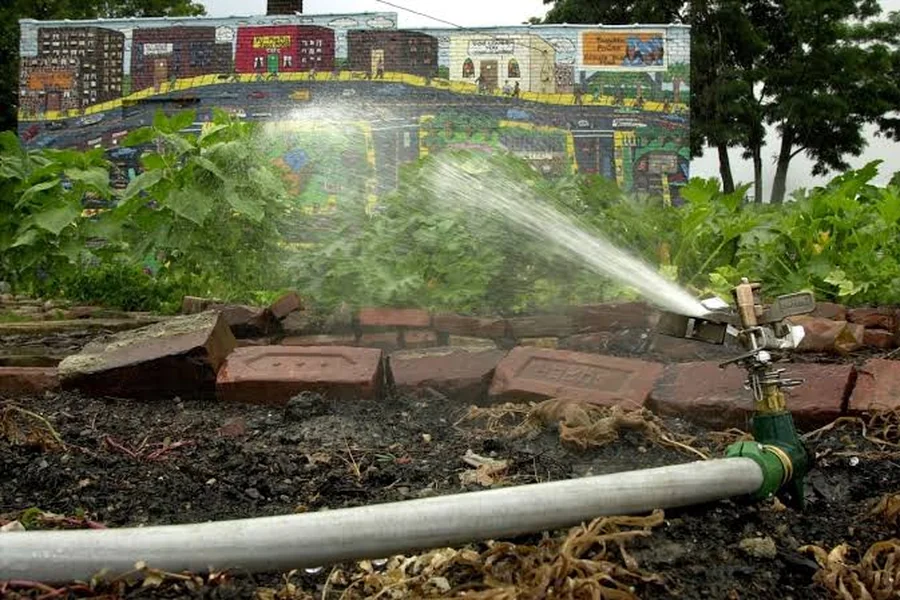
In many places of the United States, summer droughts may have considerable impact on towns, farms, and families. Long stretches of little to no rainfall can harm crops, deplete water resources, and raise the danger of wildfires. It is always a good idea to be ready early, even if your region has never had a drought. You may better comprehend shifting circumstances and make water-use decisions by keeping an eye on weather data throughout the season.
Small steps might have a significant impact before a drought worsens. Stress can be decreased during dry months by conserving water, making advance plans, and safeguarding vital resources. Every home may contribute to the efficient use of water while maintaining a comfortable standard of living. You may better manage dry weather and help your family and community during the summer by planning ahead and adopting easy habits.
Find below five ways to prepare for a drought in summer.
Build a reliable water supply
Ensuring you have adequate water for everyday requirements is the first step in being ready for dry weather. Clean drinking water should be kept in dry, cold conditions in food-safe containers. To keep it fresh, replace the water that has been kept as directed. Consider the daily water use of your home. A consistent supply is necessary for personal hygiene, cleaning, cooking, and drinking. If regulations tighten, having more water on hand might be comforting. When local laws let it, collect rainwater from your garden or outside plants.
Reduce daily water use
One of the simplest ways to get ready for a drought is to use less water each day. As quickly as possible, fix leaking pipes, dripping faucets, and running toilets. Over time, even little leaks can waste a startling amount of water. When doing chores or brushing your teeth, switch off the faucet and take shorter showers. Dishwashers and washing machines should only be used when they are full. Water lawns outside the house only as needed and in the cooler hours of the day. This increases the amount of water that reaches plant roots by lowering evaporation. Many gallons of water may be saved per week by making little adjustments to regular routines.
Protect your home and yard
You can minimize water waste and save your landscape by getting your property ready before drought conditions worsen. Select plants that are appropriate for the climate in your area and need less water. In hot conditions, these plants frequently remain healthy with minimal care. Mulch garden beds, flowers, and trees. Mulch helps the soil retain moisture and lessens solar-induced water loss. Look for sprinkler head breaks or leaks in irrigation systems. Sprinklers should be adjusted so that they water plants rather than roadways or sidewalks. Outdoor water consumption is now considerably more efficient thanks to these advancements.
Stay informed and plan ahead
During the summer, conditions may change fast, so it’s critical to be informed. To learn about water limitations and drought conditions, keep up with local news and emergency management updates. Before they become necessary, find out about the water conservation regulations in your city. Knowing local regulations enables you to react promptly in the event that limits are imposed. If water resources become scarce, develop a straightforward family strategy for cutting back on usage. Every member of the household ought to be aware of how they may contribute to water conservation.
Prepare for long dry periods
Some droughts continue far longer than anticipated. Daily living may be made simpler by preparing for prolonged dry weather. Store additional non-perishable food and bottled water in your emergency kit. Replace any expired products in your emergency pack after reviewing it. Add flashlights, batteries, prescription drugs, and first aid items in case the drought causes further crises. Consider your dogs as well. Every day, they require a consistent supply of clean water. Make arrangements to provide your cattle or bigger animals with adequate water and shade throughout the year.
Final thoughts
Simple, doable actions are the first steps in preparing for a summer drought. Plan for prolonged dry spells, save adequate water, cut back on daily water consumption, safeguard your house and yard, and keep informed. Throughout the summer, your family may manage water more effectively, feel less stressed, and be ready thanks to these prudent behaviors.
